Parlor Tricks and Player Pianos: Why AI Music Still Needs the Human Soul
According to Rick Beato (Feb 2026)
40% of all music uploaded to streaming services is made by AI
Only 3% of listeners can correctly distinguish if AI made the music
As of January, 6 of the top 50 songs are made with AI
Depressing reality or exciting new empowerment? I’ll let you decide.
You can watch his video here:
We are at a strange cultural intersection where "indistinguishable" music can be conjured from the ether by someone who has never touched an instrument. Tools like Suno are fascinating, and I am watching this space with hopeful, open eyes that we don’t just "kill creativity."
But I have a few questions for AI music enthusiasts:
How fun is it?
When you type a prompt and a fully realized song pops out, do you feel like that music is yours?
How often do you really re-listen to it?
To me, the current Gen AI models I’ve tried feel less like a true creative partner and more like a parlor trick. It’s a magic trick designed to make you say "wow," but the feeling quickly fades. It reminds me of the player piano—a marvel of engineering that allowed someone with no musical training to hit a button and have "perfect" professional music fill their living room.
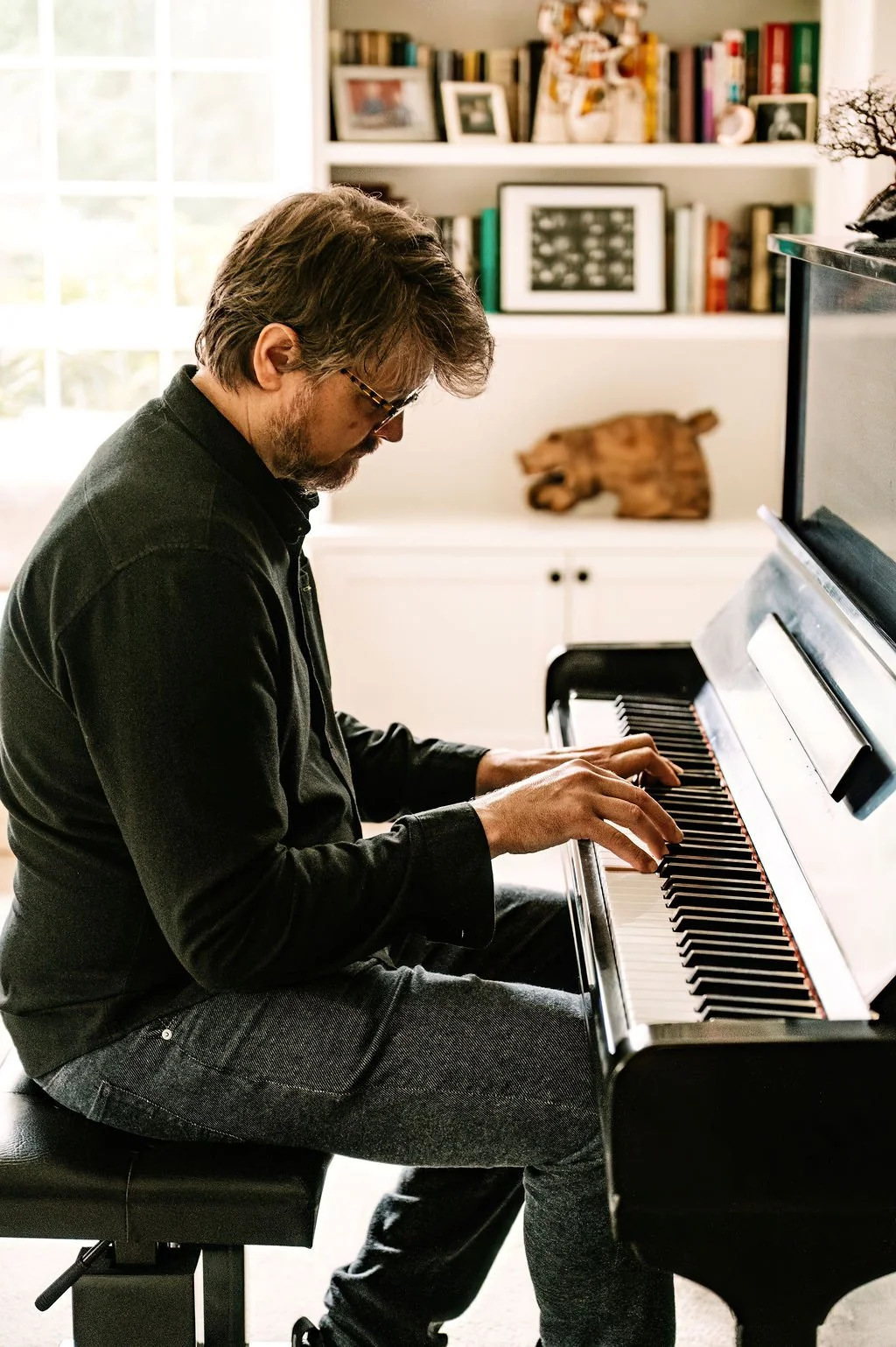
Here’s me playing my piano. NOTE: not a player piano, but a piano player :)
But as impressive as they were, player pianos became boring. They were too perfect. They didn’t breathe.
The Problem with Flawless
The biggest misconception right now is that the goal of music is to be "perfect." It is not. In fact, perfection is often the enemy of human connection.
We don't sit through a live concert just to hear a flawless reproduction of the album. Why not stay home and watch the concert video? The most memorable moments are almost always the "strange accidents and mistakes." It’s the improvised comments in between songs, the glance between band members that says we’re figuring this out right now, or the crack in a singer’s voice when they hit that emotional peak.
When Apple’s Logic software uses its "AI Drummer," that is an example of an empowering AI tool—one that requires a human conductor. But when AI does everything for you, it irons out all the variability that makes music interesting. Gen AI is trying to smooth over the "human fingerprints" of music, not realizing that those are the parts we actually like.
Consider this before-Gen AI example. Before Suno, you could go to Splice.com or any similar purveyor of extremely high-quality loops and samples of any common instrument in any genre. You could re-combine those musical elements into your own creation and call it your music. There is a lot of music made with this type of content. So what’s changed? I think it’s the unique aspect of our Gen AI creations that makes us feel as though we’ve made something that sounds original to us. The problem is, we also know that there was no effort or experience required. In the process, we’ve also denied ourselves the experience of making something. That may sound esoteric or idealistic, but I think we know this intuitively in how we relate to art. Most of the time, we care about the artist as well as the art they have made.
Experience Over Things
What I think about a lot is that life is less about the things we make than it is about the experiences we collect.
Commercial music has likely changed forever; there will soon be an endless ocean of generic, functional music for ads, yoga videos, and ambient drones to help us sleep. But the act of making and enjoying music still requires humans.
The biggest competitor to live performance isn't a Suno track; it is the screen in front of our faces. We have to risk putting the screen down to see what life actually has to offer. A trip I recently took with Tate to New Orleans to experience traditional jazz in the heart of the French Quarter was a powerful reminder of this. You can’t replicate that connection over Wi-Fi.
As a drummer, I remember hearing that the drum machine would replace me forever back in the 80s. That didn’t happen. Today, technological changes will keep coming, but I have a firm belief: humans still like to hear what humans make. We want to hear your heart, your story, and even your strange mistakes.
A Note to Self (and You)
As we navigate this, I’m adopting a few principles inspired by Ian Temple’s recent reflections:
AI is an Intern, Not a Collaborator: Use it for research or technical support, but never let it speak for you.
Effort Leads to Growth: Don’t use AI to do something you could do yourself with a little bit of "messy" effort.
Prioritize Connection: If a tool pulls you away from playing with other humans, it’s probably the wrong tool.
I’m sticking with the humans. I’m sticking with the mistakes, the cracked vocals, and the drummers who push the tempo when they get excited.
Because at the end of the day, humans want to hear what other humans have survived.
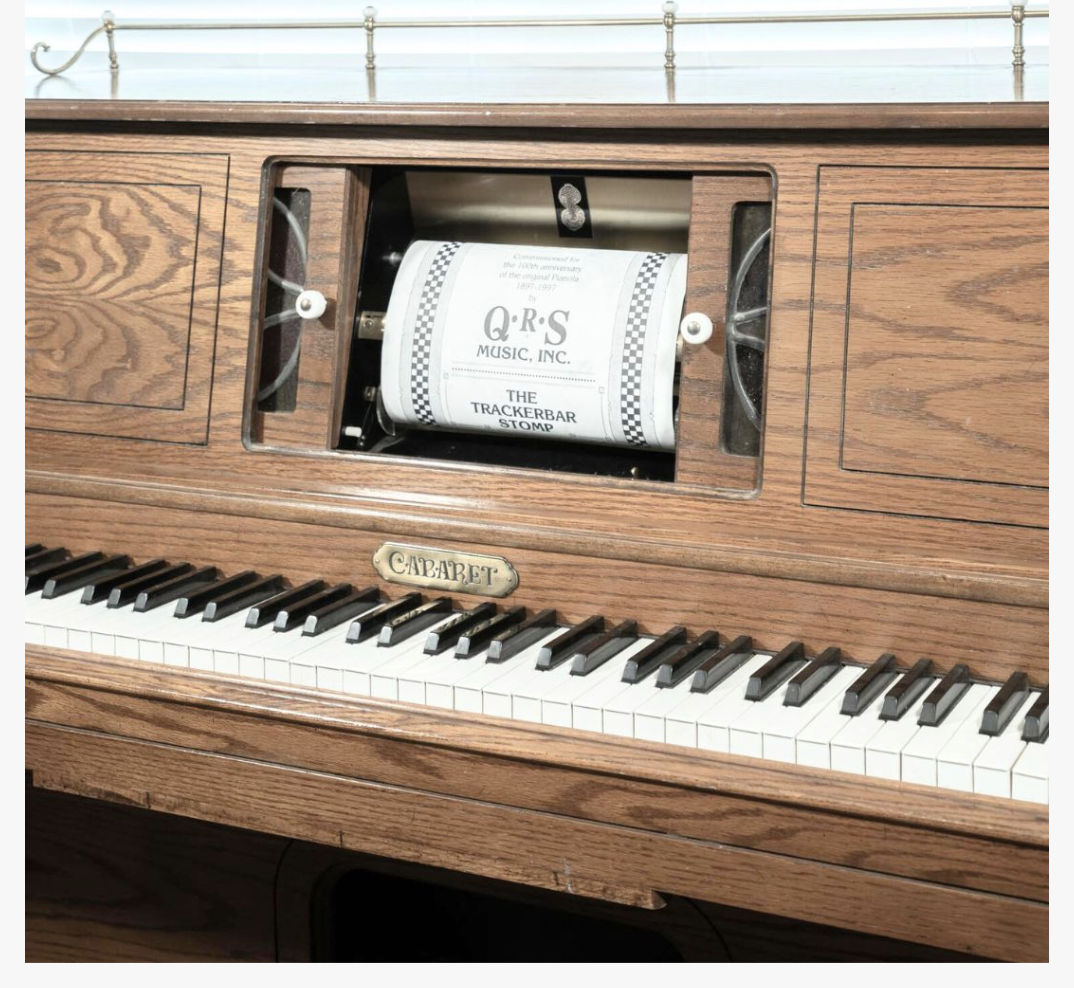
How much would you pay to see this baby play? I’m guessing not much!